From farm to cup
Great coffee starts long before the roaster
Four steps, no shortcuts. This is the journey every bean makes to your cup.
Step 1 of 4
Sourcing at origin
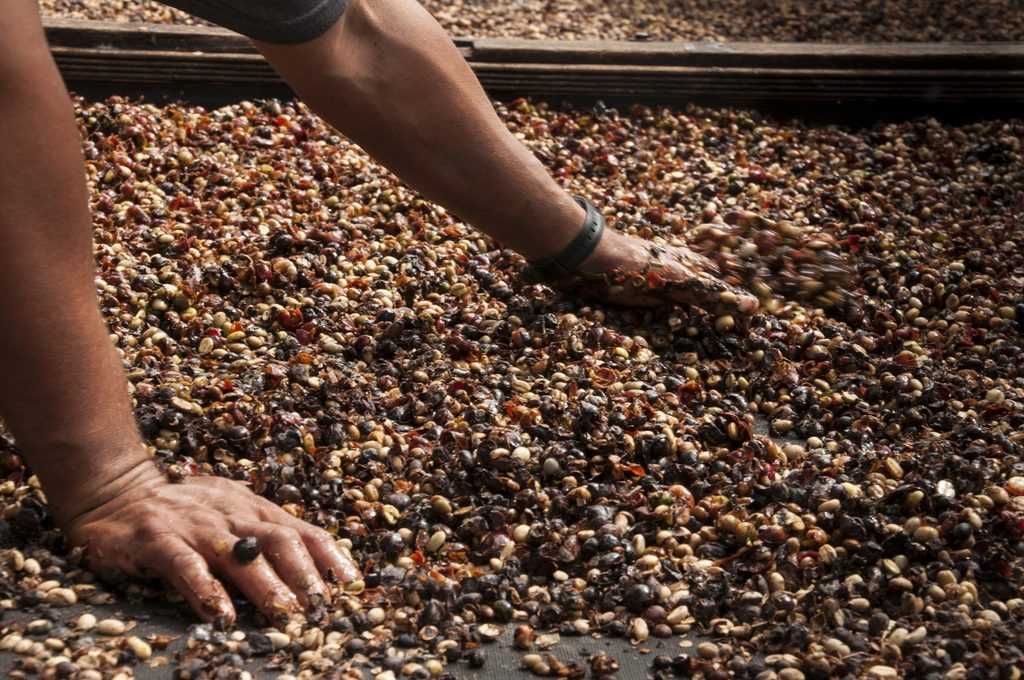
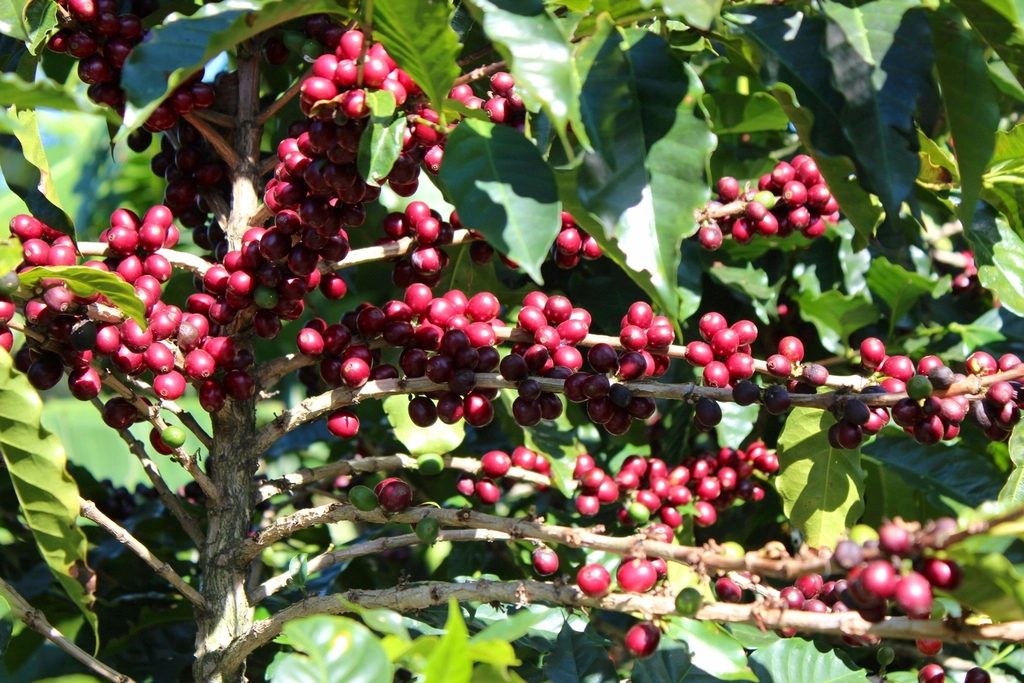
Once a year we travel to the farms and cup hundreds of samples with the producers. We only buy lots scoring over 84 SCA points, always directly from the producer or cooperative.
Step 2 of 4
Small-batch roasting
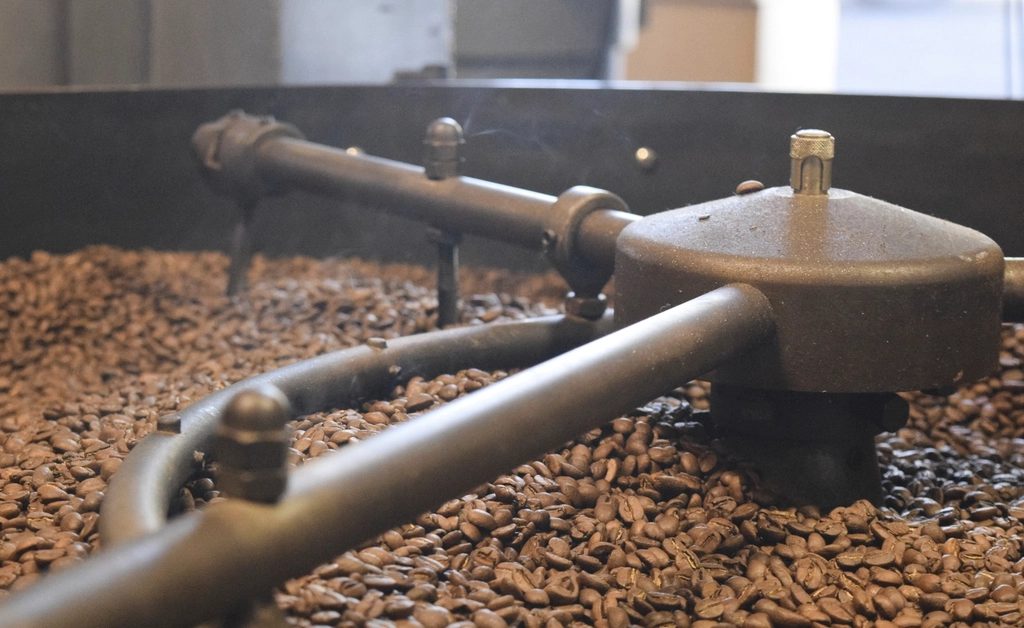
We roast in 12 kg batches on a drum roaster with an afterburner that cuts emissions by 80%. Every origin has its own profile: lighter for filter, more developed for espresso.
Step 3 of 4
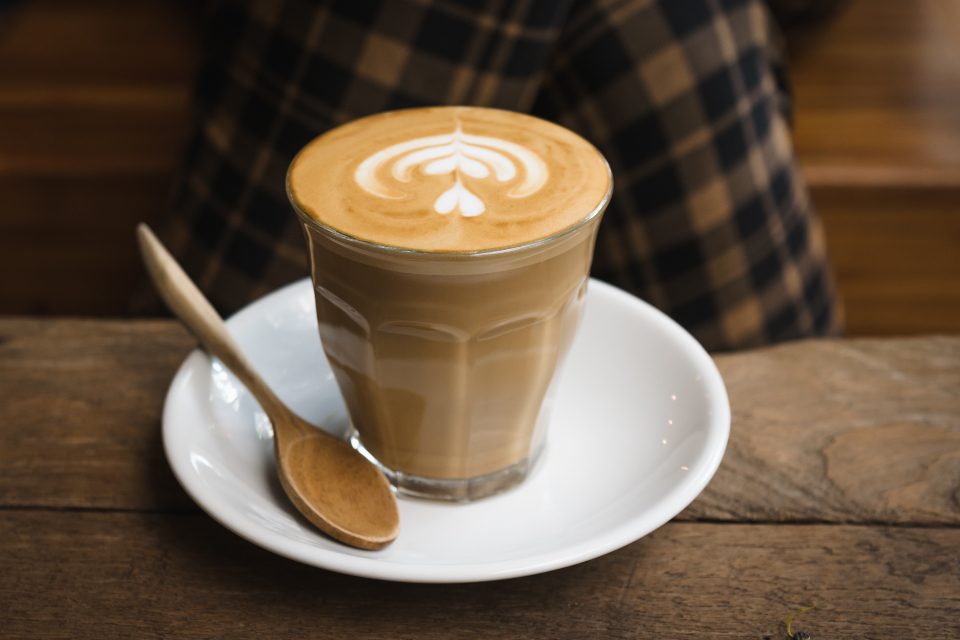
Resting and cupping
Every batch rests for 48 hours and is cupped to SCA protocol before packing. We log the curve, moisture and score. If a batch fails, it doesn’t leave the roastery.
Step 4 of 4
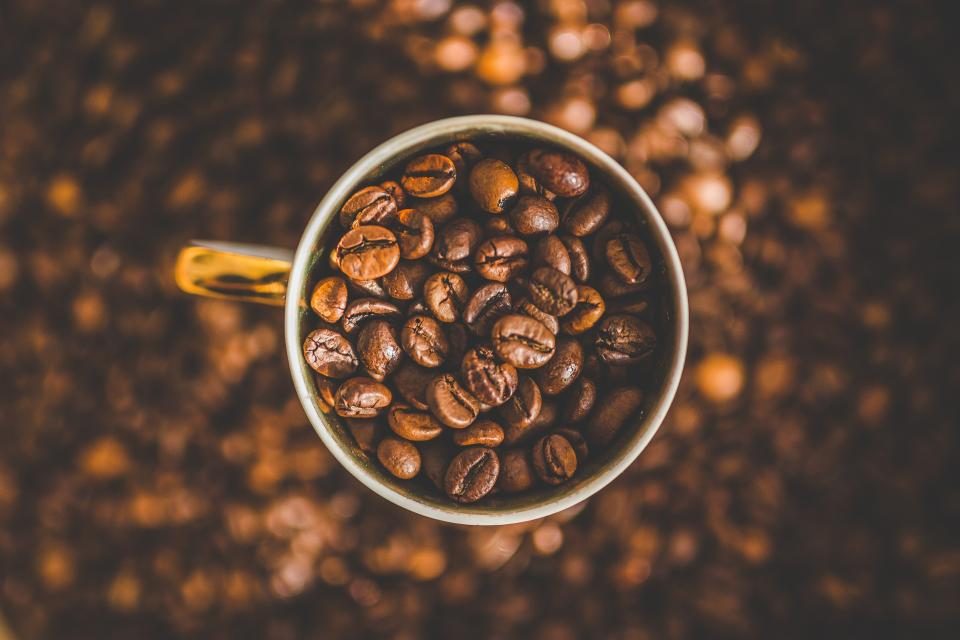
Packing and shipping
We pack into compostable bags with a one-way valve and ship the same day. Every bag carries the roast date, so you know exactly what you are drinking.
Inside the roaster
This is what an 11-minute roast looks like
The curve is the bean temperature minute by minute. One degree more or less at the end changes the taste in the cup.
- Drying · the bean loses its water
- Maillard · aromas and colour develop
- Development · we balance acidity and sweetness
Sustainability
Good for the cup, and for everything else
Cleaner roasting
The afterburner burns off the smoke: 80% fewer emissions than a conventional roaster.
Compostable bags
Certified kraft paper and bioplastic. They go in the food-waste bin.
Truly fair prices
We publish the price we pay each farm. On average, 60% above the market.
Grounds back to the soil
Grounds from the roastery and courses go to a community garden in Sant Esteve.
Now it’s time to taste it
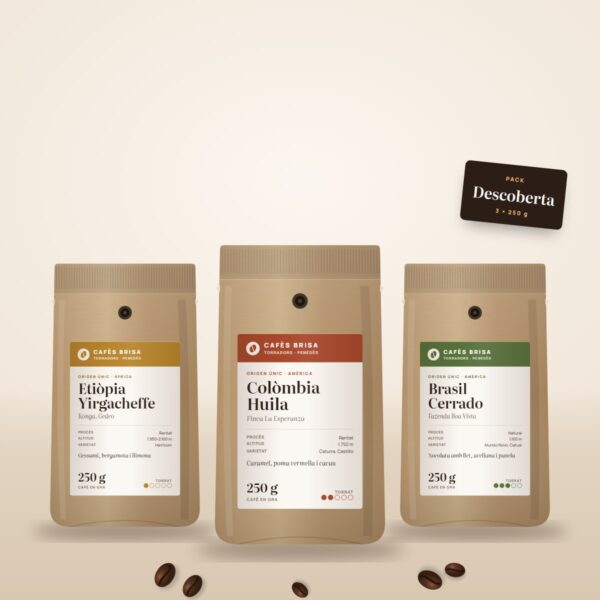
Not sure where to start? The Discovery Pack brings three very different origins. Or take the two-question quiz on the home page.